The best electric cars of 2026: comparative guide
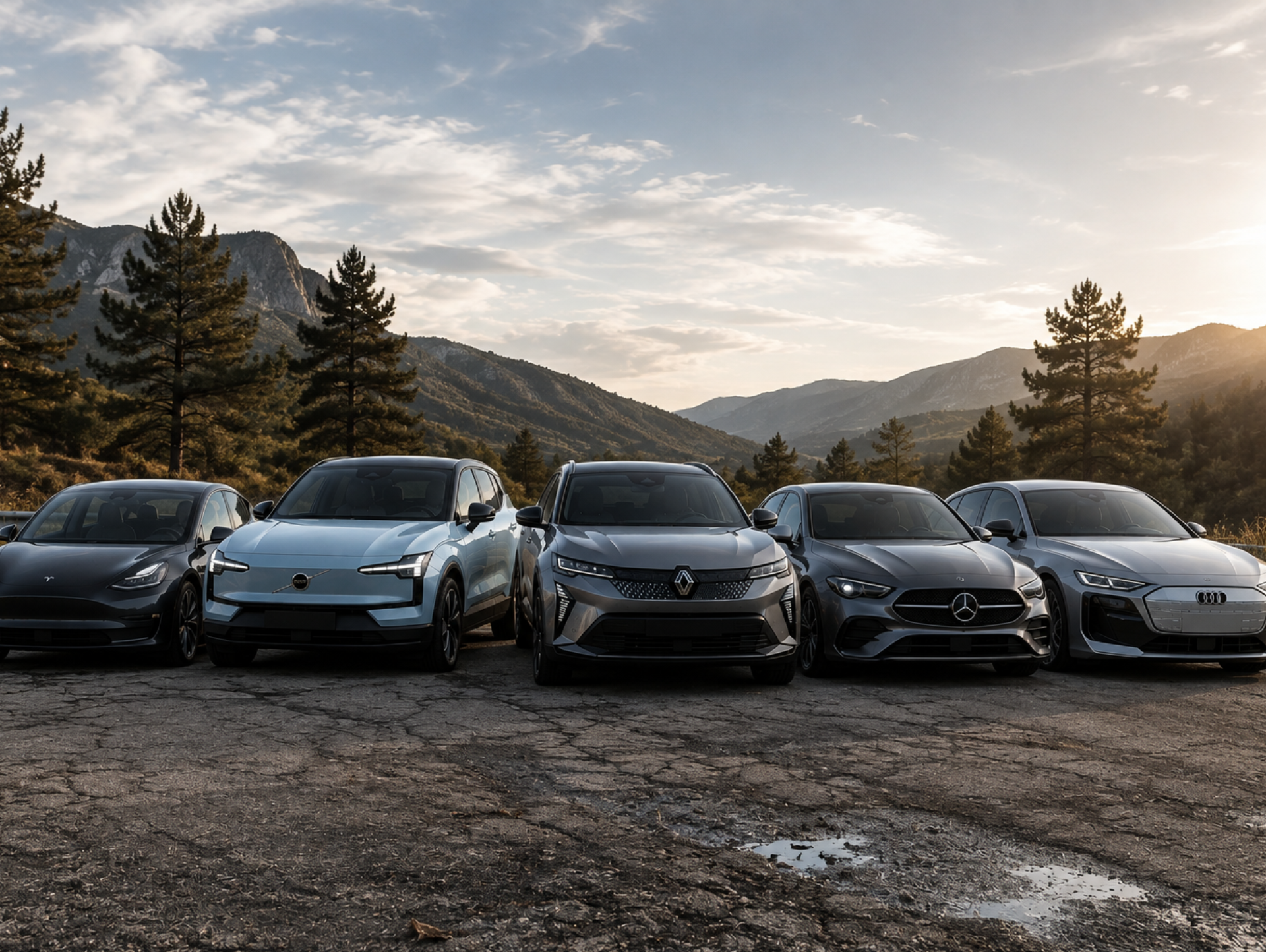
In 2026, you no longer have to choose between range and price, but you do have to choose wisely: a premium compact SUV starting at €37,000 sits alongside saloons priced over €65,000, and not every "best-seller" is the right choice for your actual needs. At Pyrénées Motors we test and sell electric vehicles every day, and here is our model-by-model take on where the market is heading in 2026.
Reliability and a fair price, no surprises
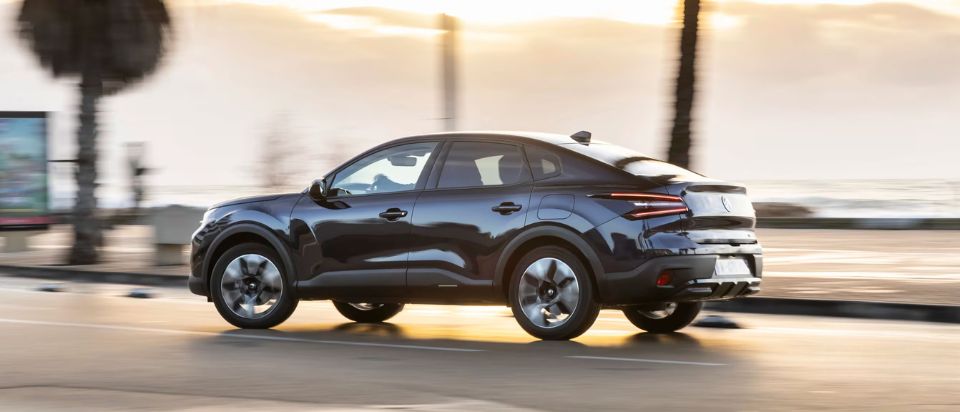
If you're looking to go electric for under €35,000 without taking any risks, the Citroën ë-C4 X (50 kWh) is the model we recommend with the most confidence: it doesn't aim to be the fastest or the most technologically advanced in its segment, but it delivers with no surprises, which is exactly what most buyers need in this price range. The Opel Mokka Electric sits just below it, with a 156 hp motor, a 54 kWh battery and up to 403 km of WLTP range, from around €32,500.
Best premium compact SUV: BMW iX1 vs MINI Countryman Electric
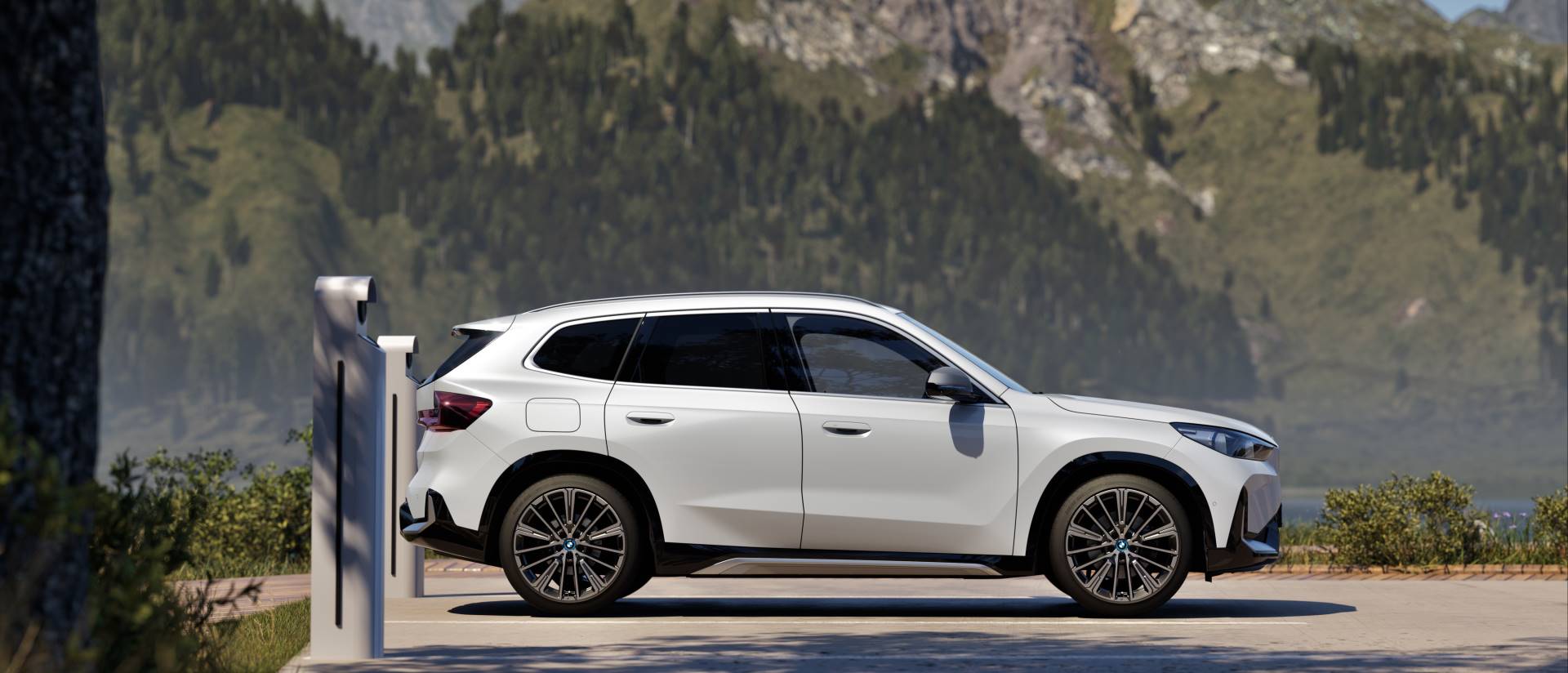
The BMW iX1, updated in 2026 with a higher-capacity battery and a silicon-carbide inverter, raises its range to 514-516 km (WLTP) in the eDrive20 version and starts from €49,800. It's the safest bet in the segment for anyone who covers long distances regularly.
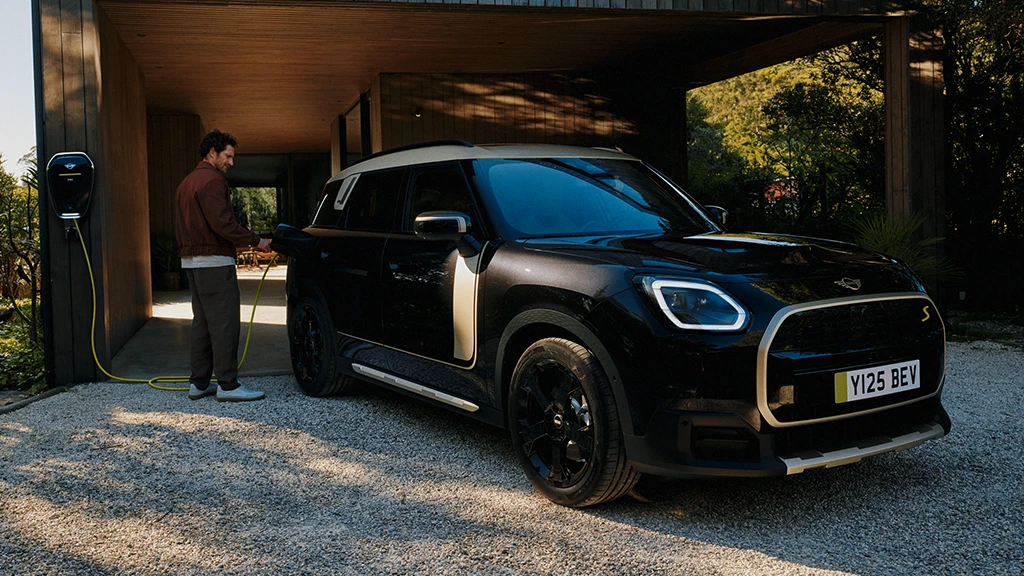
Its group "cousin," the MINI Countryman Electric, shares its platform with the iX1 but plays a different card: a 65.2 kWh battery delivering up to 501 km WLTP in the E version, with prices from around €37,700, noticeably below the BMW. In our view, if you want the same technical foundation with a more urban character and a more accessible entry price, the Countryman is the one to look at first.
Best family car: Mercedes EQB
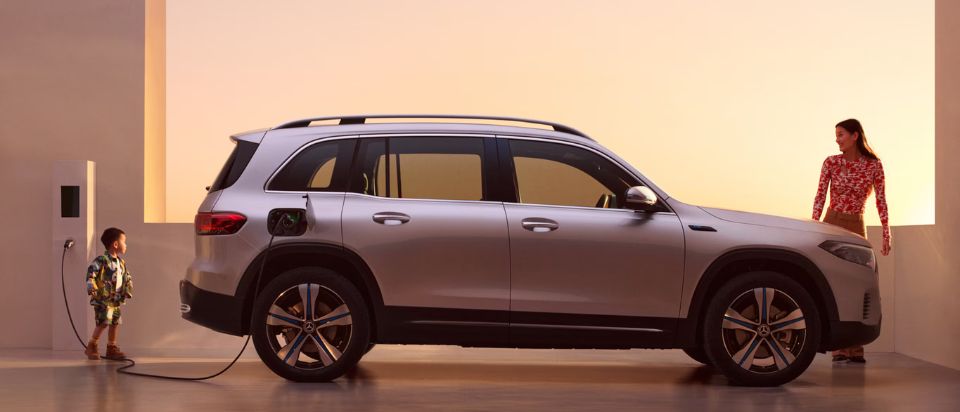
In our view, the Mercedes EQB is the most complete family electric car in our range: it's one of the few electric SUVs on the market available with a 7-seat configuration, with a range of up to 504 km WLTP in its most efficient version. Prices start from €58,526. It's our direct recommendation for any family looking for an electric car for everyday use with room to spare for the unexpected.
Best premium saloon: Mercedes CLA 250+
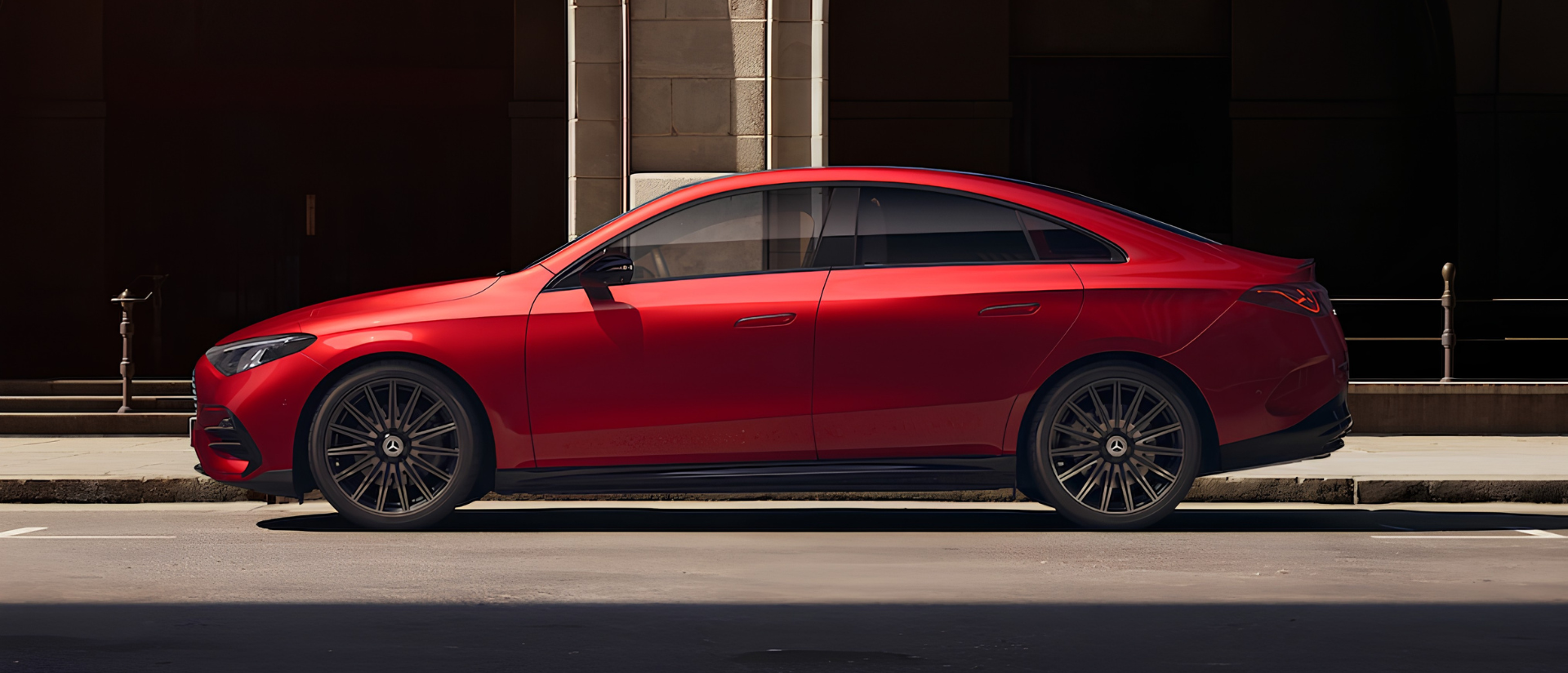
The Mercedes CLA 250+, named 2026 Car of the Year, stands out for its efficiency: a drag coefficient of 0.21 (the best on the market) translates into over 600 km of range measured independently, not just homologated. It's a car built for those who cover long distances and want to pay as little as possible in electricity per trip — our unreserved recommendation in this segment.
Luxury SUV: Jaguar I-Pace
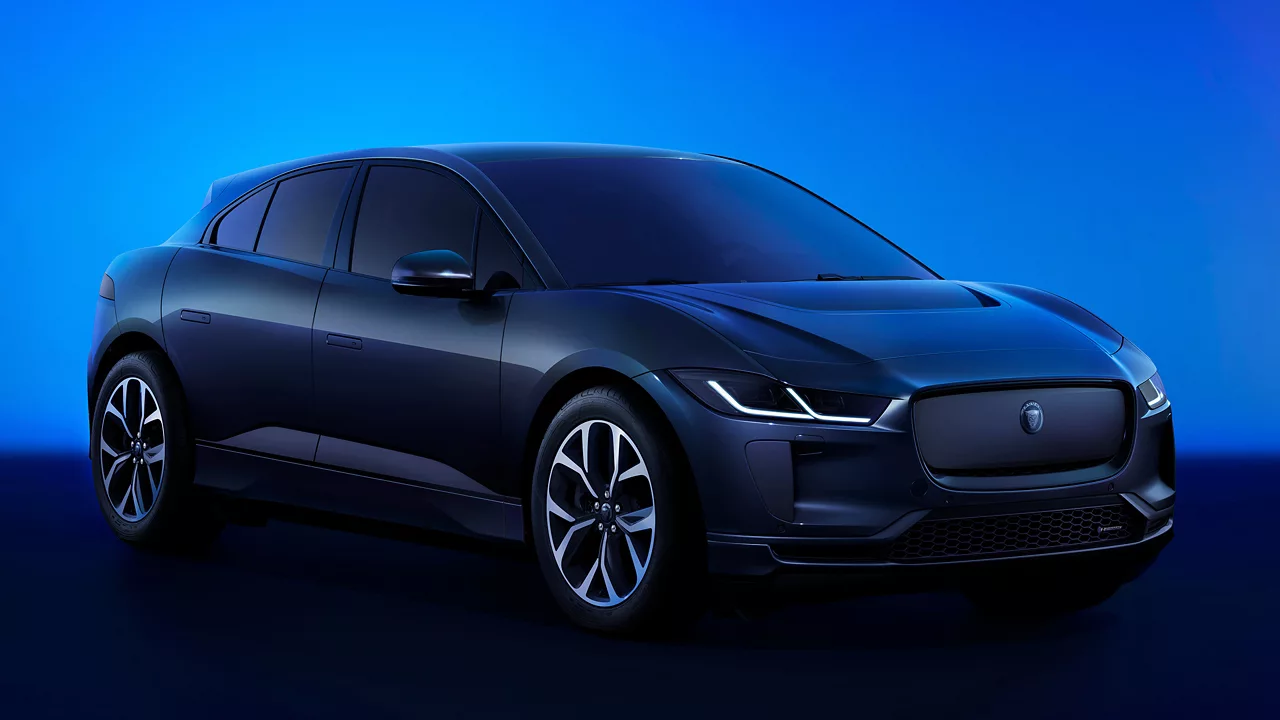
For those looking for a premium electric SUV with sporty performance, the Jaguar I-Pace remains a benchmark: 400 hp, all-wheel drive and a design built for the road, with prices ranging from €94,215 to €102,716 depending on version. It's not a car for everyone, but within our range it's the choice for those who prioritise performance above all else.
Range and charging network: the Tesla Model 3 case
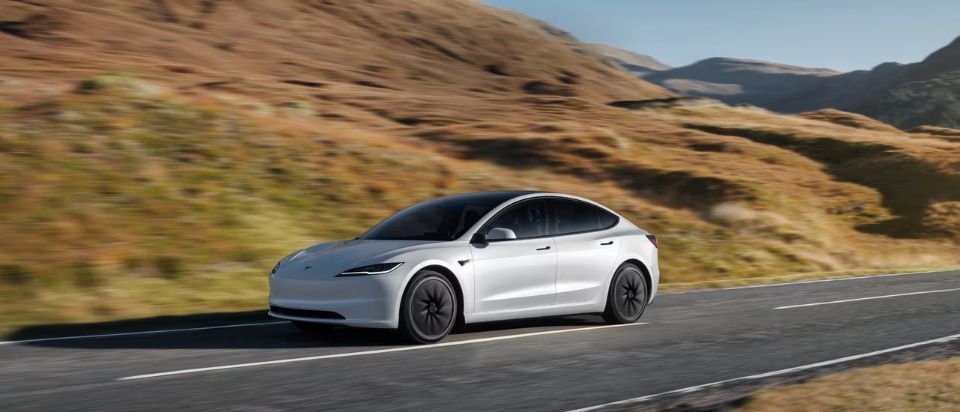
The longest-range versions of the Tesla Model 3 are homologated at over 700 km (WLTP), and its Supercharger network is a genuine advantage for anyone who wants to avoid the uncertainty of finding a free charging point on the road. That said, it's a closed ecosystem: outside the Tesla App, insurance, financing and the service network are far more limited than those of a mainstream brand with a physical dealership nearby — in our view, a higher price to pay than it first appears.
The BYD phenomenon: how it has gained ground in Europe
Beyond the brands we represent, it's worth talking about because it's changing the market: BYD has made significant inroads into Europe during 2026. In May it registered 32,380 vehicles across the continent, 141% more than a year earlier, and for the first time overtook a historic brand like Citroën in monthly registrations. Chinese brands as a whole now hold a record market share of 10.7% in Europe, and in Germany — one of the most demanding markets — BYD has grown by over 1,000% year-on-year in some months.
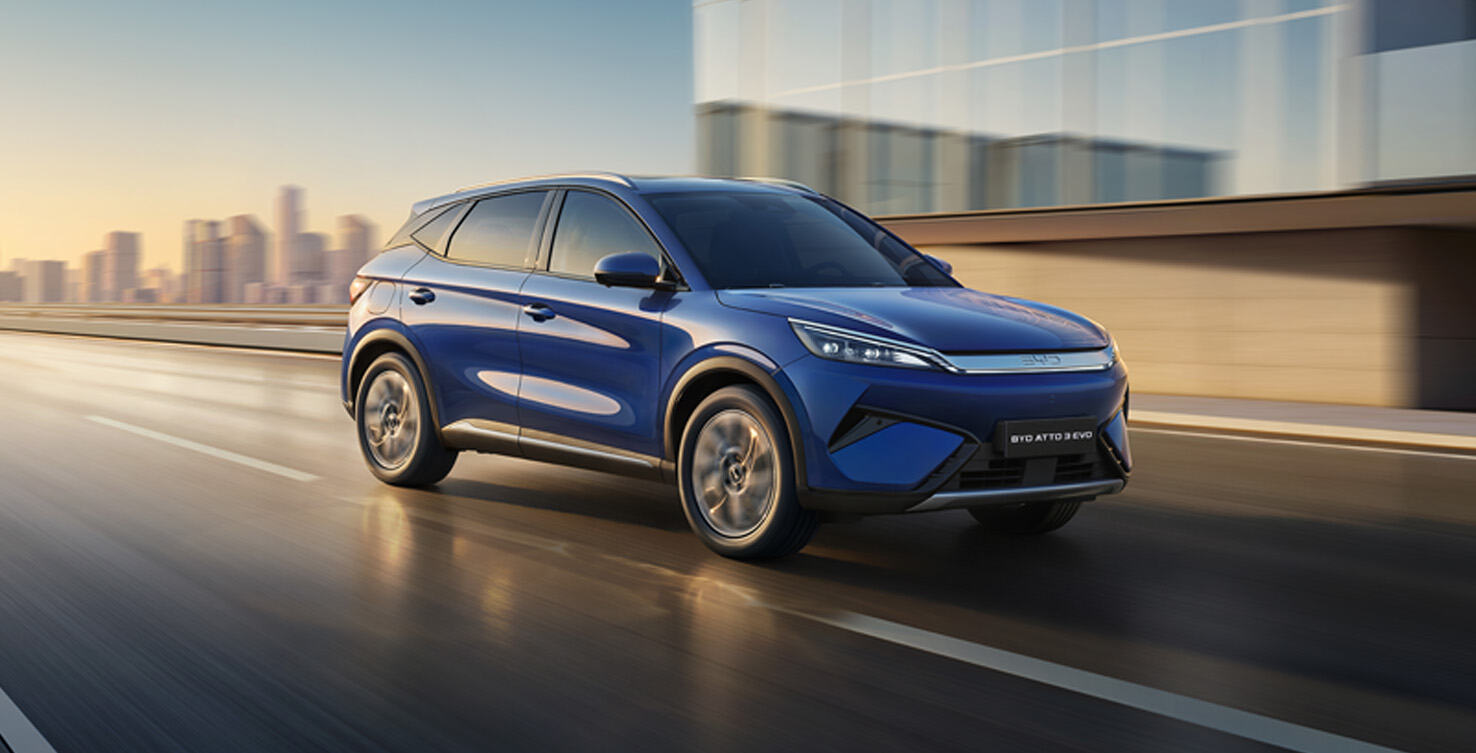
One example of what the brand offers is the BYD Atto 3 EVO, a compact electric SUV (segment C) with a 74.8 kWh Blade battery, up to 510 km of combined WLTP range (710 km in the urban cycle) and fast DC charging of up to 220 kW thanks to its 800V electrical architecture. In Spain it's available from €29,455, with a dual-motor, all-wheel-drive version producing 449 hp. It's a good indicator of where the segment is heading: plenty of range and plenty of charging power at an affordable price — a combination that's forcing other manufacturers to keep up.
How to choose yours
Our advice, beyond the spec sheet: don't buy a bigger car than you need (it drives up both the purchase price and consumption), don't pay for power you won't use — under 200 hp is plenty for driving within speed limits — and decide between buying or leasing based on how long you plan to keep the car, not on whichever monthly price sounds best in the short term.
At Pyrénées Motors you can discover the electric range from BMW, Mercedes-Benz, MINI, Jaguar, Land Rover, Suzuki, Opel and Citroën, book a no-obligation test drive, and get your questions on financing or purchase incentives answered by our team. Please confirm availability of each electric model with us, as it varies over time.
Contact Pyrénées MotorsFrequently asked questions
Which is the most recommended electric car in 2026?
There isn't a single "best car" — it depends on how you'll use it. For those who prioritise technology and comfort, BMW and Mercedes-Benz offer some of the most complete options on the market; for families, the Mercedes EQB is our direct recommendation; and for those prioritising entry price, the Opel Mokka Electric (from around €32,500) is one of the most affordable ways into electric driving.
How much range do I actually need?
For daily city driving and short trips, 300-350 km of homologated range is usually enough. If you regularly drive long distances, it's worth looking for models with more than 450-500 km WLTP to cut down on charging stops.